How to choose the best in-home care: A guide for families in Brevard County
When a loved one needs help at home — after surgery, while managing a chronic condition, or simply to stay safe and independent, understanding the difference between Home Care and Private Duty services can feel overwhelming. With many agencies offering similar support, choosing trustworthy, high-quality care becomes critical.
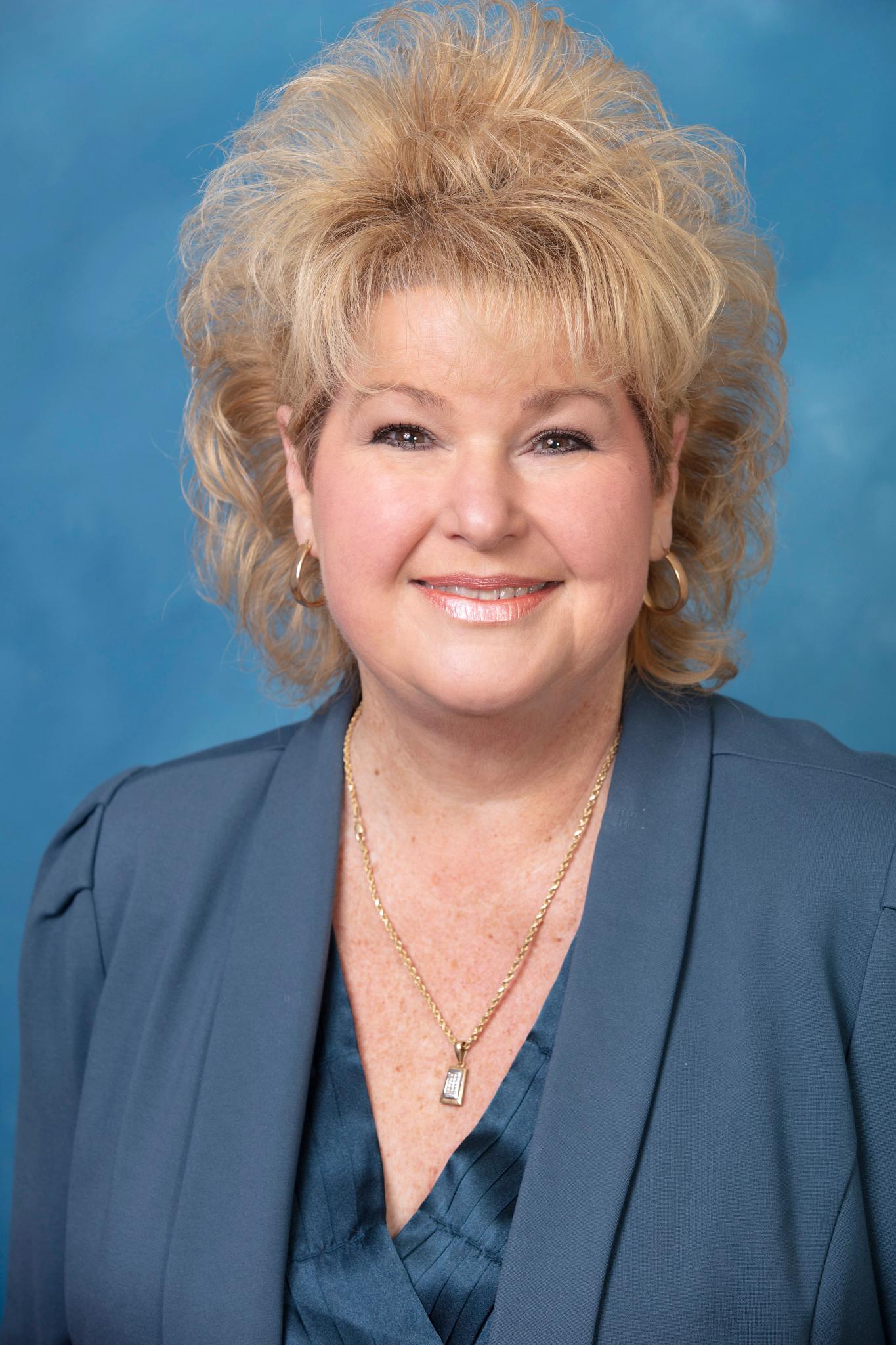
In a recent episode of Putting Your Health First, host Maggie McKay spoke with Michelle Rogers, System Director of Health First Home Care, Private Duty and Home Companions, who has more than 35 years of home health experience. She shared practical, compassionate advice on how families can navigate in-home care with confidence.
Listen here.
This guide breaks down key takeaways from that conversation and offers clear steps to help you choose the right care for your loved one.
What’s the difference between Home Care and Private Duty?
Although both take place in the home, Home Care and Private Duty services meet very different needs.
Home Care
Delivered by licensed clinicians, Home Care focuses on recovery, rehabilitation, and clinical oversight.
Private Duty
Private Duty helps individuals stay independent, comfortable, and safe at home.
Services include:
Skilled nursing, wound, and ostomy care
IV antibiotics and nutritional fluids
- Tracheostomy care and catheter care
Social services and personal care
Rehabilitation therapy, including speech, physical, and occupational therapy
Services include:
- Medication reminders and dietary guidance
- Light housekeeping and laundry
- Meal planning and preparation
- Personal care, such as bathing or dressing
- Companionship and conversation
Shopping, errands, and leisure activities
- Skilled nursing care
Key points:
- Requires a physician order
- Often covered by Medicare or insurance
- Patient must meet Medicare’s definition of “homebound”
- Short-term or intermittent, medically focused care
Key points:
- No physician order required
- Typically, self-pay or long-term care insurance
- Flexible scheduling — from a few hours to 24/7
- Available for short or long-term
Who provides care, and how does Health First ensure safety?
The people entering your home matter as much as the services they provide. Health First ensures the highest level of safety and professionalism.
In Home Care, services are delivered by:
- Registered nurses
- Physical, speech, and occupational therapists
- Medical social workers
- Home health aides (for skilled-directed personal care)
In Private Duty, services are delivered by:
- Registered nurses
- LPNs (Licensed practical nurses)
Home health aides
Companions
- Caregivers trained in personal care, safety, and daily support
Health First prioritizes safety with:
- National background checks and Level 2 fingerprinting
- Drug testing and health screenings
- Bonded and insured clinicians
Ongoing training and competency evaluations
These safeguards protect patients and families — many agencies do not meet these standards.
How to know whether your loved one needs Home Care or Private Duty.
Choosing the right type of support depends on health needs, safety concerns, and daily routines.
Your loved one may need home care if they:
- Are recovering from surgery or hospitalization
- Are managing a new or complex diagnosis
- Need wound care or medication monitoring
- Have reduced mobility or breathing difficulties
- Need short-term skilled therapy or nursing
Your loved one may need private duty care if they:
- Need help with meals, hygiene, mobility, or household tasks
- Want companionship or transportation
- Have family caregivers who work or live away
- Need ongoing or 24/7 support to stay safely at home
- Prefer long-term, flexible care without medical requirements
Many families choose both, combining clinical expertise with daily living support.
How Home Care and Private Duty work together?
Health First uses MyChart, allowing clinicians across the system to share information and coordinate care seamlessly.
For example:
- A Home Care nurse manages wound care and recovery.
- A Private Duty aide assists with bathing, meals, and daily routines.
This integrated approach ensures nothing gets overlooked, and families feel fully supported.
Personalized care tailored to each patient
Care begins with a detailed assessment that looks at:
- Medical needs
- Daily routines
- Lifestyle preferences
- Safety concerns
- Personality fit between caregiver and patient
- Household needs (laundry, trash days, pet routines)
Because care happens in the home — an intimate and personal space — trust and communication are essential.
Michelle shared memorable stories of patients who bonded with caregivers over gardening, traveled with a caregiver to fulfill a lifelong wish, or received loving support that extended to their pets. These examples show how personalized care can improve both safety and quality of life.
How flexible are in-home care services?
Health First offers fully flexible, family-centered support:
- No contracts
- Adjustable hours at any time
- Options ranging from short-term visits to 24/7 care
- Morning, evening, overnight, and weekend coverage
Families maintain complete control over when and how care is delivered.
Frequently asked questions
Home Care provides skilled medical services; Private Duty offers non-medical daily living support.
Medicare typically covers Home Care. Private Duty is usually self-pay or covered by long-term care insurance.
Yes. Many families combine both for complete, coordinated support.
Private Duty can start same-day; Home Care typically begins within 24–48 hours once orders are complete.
Yes. Health First conducts national background checks, fingerprinting, drug testing, and provides bonded and insured caregivers.
- Is the agency licensed in the state of Florida? Licensed agencies provide oversight and protection that independent caregivers cannot.
Are caregivers background-checked, insured, and bonded?
This protects your loved one and your home.
- Who is responsible if the caregiver is injured on the job? Licensed agencies carry workers’ compensation; private individuals typically do not.
- How quickly can care start?
- Private Duty: often same day
- Home Care: usually within 24–48 hours after physician orders
- What does insurance cover? That way there are no surprises. We can help you figure out your options.
- How is care coordinated across providers? Ask how your agency communicates with physicians and other care teams.
Considering Home Care or Private Duty?
If you or someone you love is exploring in-home care, our team is here to guide you with compassion, clarity, and care.
Trusted. Compassionate. Reliable. Licensed. Insured.
License #: HHA21032-0962 (Home Care), HHA299991377 (Private Duty)
Health First in the news.
Stay informed about the latest at Health First, from new technology to groundbreaking procedures and more.


