
Reflux Surgical Procedures
When lifestyle changes and medications are not enough, we will first consider some non-surgical options to learn more about your unique needs.
List of procedures
This outpatient procedure uses HALO ablation technology to heat tissue through an upper endoscopy to destroy cancerous and precancerous areas inside your esophagus. This is a common treatment for a precancerous condition called Barrett’s esophagus, which is caused by the acid traveling back up from the stomach in patients with GERD. There are no incisions, and the procedure takes about 30 minutes, plus about an hour of observation afterward.
Hernias can cause reflux or GERD and may need surgery to repair. A hiatal hernia occurs when the part of the stomach that connects with your esophagus pushes upward through your diaphragm. A paraesophageal hernia happens when the junction of the stomach and the esophagus remains in place, but part of the stomach is squeezed up into the chest beside the esophagus. To reduce the hernia and put it back where it belongs, your surgeon will perform a minimally invasive laparoscopic surgery with a few small incisions that will fit the surgical instruments needed to fix the hernia.
Most patients are able to walk the same day of their surgery and can resume normal activity within a week. Paraesophageal hernia repair may be more complicated, requiring surgeons to use a combination of laparoscopic and robotic techniques to repair a diaphragm defect and insert surgical mesh to prevent the hernia from recurring. Paraesophageal hernia surgery typically requires a short hospital stay and a soft diet for two weeks.
This surgery treats GERD when medication has failed. Surgeons use laparoscopic technology to wrap the upper part of the stomach around the lower end of the esophagus and stitch it into place. Your surgeon may also repair a hernia at the same time, if needed. You will be placed on a liquid diet following surgery that will gradually move toward solid food and then a normal diet over several weeks.
This surgery is performed when medication no longer works to control your GERD or reflux. LINX is a circular implant made of flexible magnetic titanium beads that is placed around the esophagus to support a weak or malfunctioning lower esophageal sphincter (LES). The magnetic attraction causes the beads to open and close when you swallow, creating a barrier to prevent food and stomach acids from flowing backward into your esophagus. This is a minimally invasive, laparoscopic procedure. Patients typically go home the same day or the day after surgery and can resume a normal diet immediately.
In severe cases that require part or all of your stomach to be removed, surgeons can create a small pouch to reroute food from your esophagus to your small intestine. This surgery may require overnight hospital stays.
While this procedure is more commonly known for treating morbid obesity, gastric bypass is sometimes used to alleviate severe GERD or reflux. Your surgeon will divide your stomach in a small upper pouch and a larger lower pouch, with your small intestine connected to both. This redirects stomach acids down the digestive system and stops them from refluxing back into your esophagus. This procedure often requires overnight hospital stays.
Meet the team.
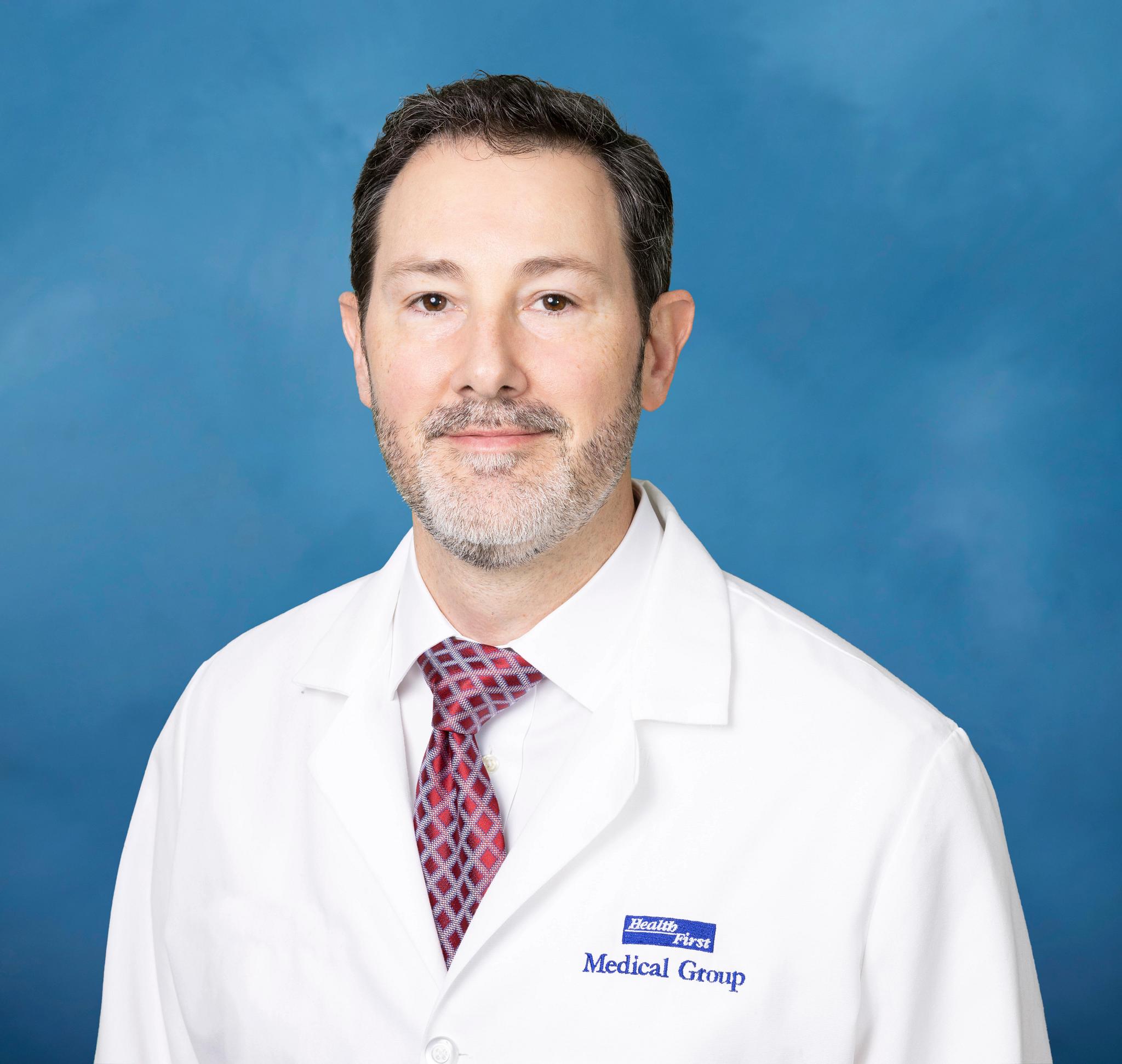
Nathan Allison, MD
Medical School: University of Florida College of Medicine
Internship and Residency: University of Texas, Houston
Fellowship: University of Texas, Houston: minimally-invasive surgery, endoscopic surgery, robotics-assisted surgery
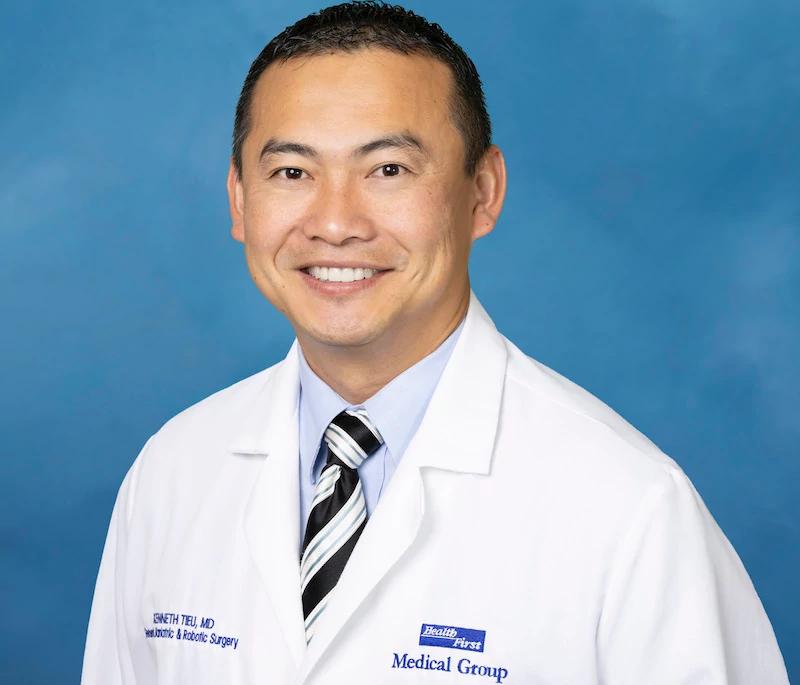
Medical School: The Pennsylvania State University College of Medicine
Internship and Residency: University of Texas Health Science Center, Houston
Fellowship: University of Texas Health Science Center, Houston: minimally-invasive surgery, endoscopic surgery, robotics-assisted surgery